Kerala, often called "God's Own Country," is renowned for its lush landscapes, serene backwaters, and rich cultural heritage. Equally captivating is its distinctive architectural style, which has evolved over centuries to suit the region's tropical climate, lifestyle, and traditions. Kerala homes are celebrated for their harmonious blend of functionality, sustainability, and aesthetic appeal, making them a source of inspiration for architects and homeowners worldwide.
Understanding Kerala Architecture
Traditional Kerala homes were designed with a deep understanding of nature and climate. The state's heavy monsoon rains, humid weather, and abundant greenery influenced every aspect of residential design. As a result, Kerala homes are characterized by sloping roofs, spacious verandas, natural ventilation, and the extensive use of locally sourced materials.
These homes were not merely places of shelter; they were thoughtfully crafted living spaces that fostered comfort, family bonding, and a close connection with nature.
The Signature Sloping Roofs
One of the most recognizable features of Kerala homes is their steeply sloping roofs. Traditionally covered with clay tiles, these roofs efficiently channel rainwater during the monsoon season while keeping interiors cool throughout the year.
The extended roof overhangs protect walls and windows from heavy rainfall and harsh sunlight, adding both functionality and visual charm. Even many contemporary Kerala homes continue to embrace this iconic roofing style.
The Beauty of Nalukettu Design
At the heart of traditional Kerala architecture lies the Nalukettu, a quadrangular house built around a central open courtyard known as the Nadumuttam. This design was common among affluent families and served as a focal point for family activities, ceremonies, and daily life.
The open courtyard allowed natural light and fresh air to flow through the home, creating a comfortable indoor environment without the need for modern cooling systems. Today, many architects reinterpret the Nalukettu concept in modern residences, preserving its timeless appeal.
Natural Materials and Craftsmanship
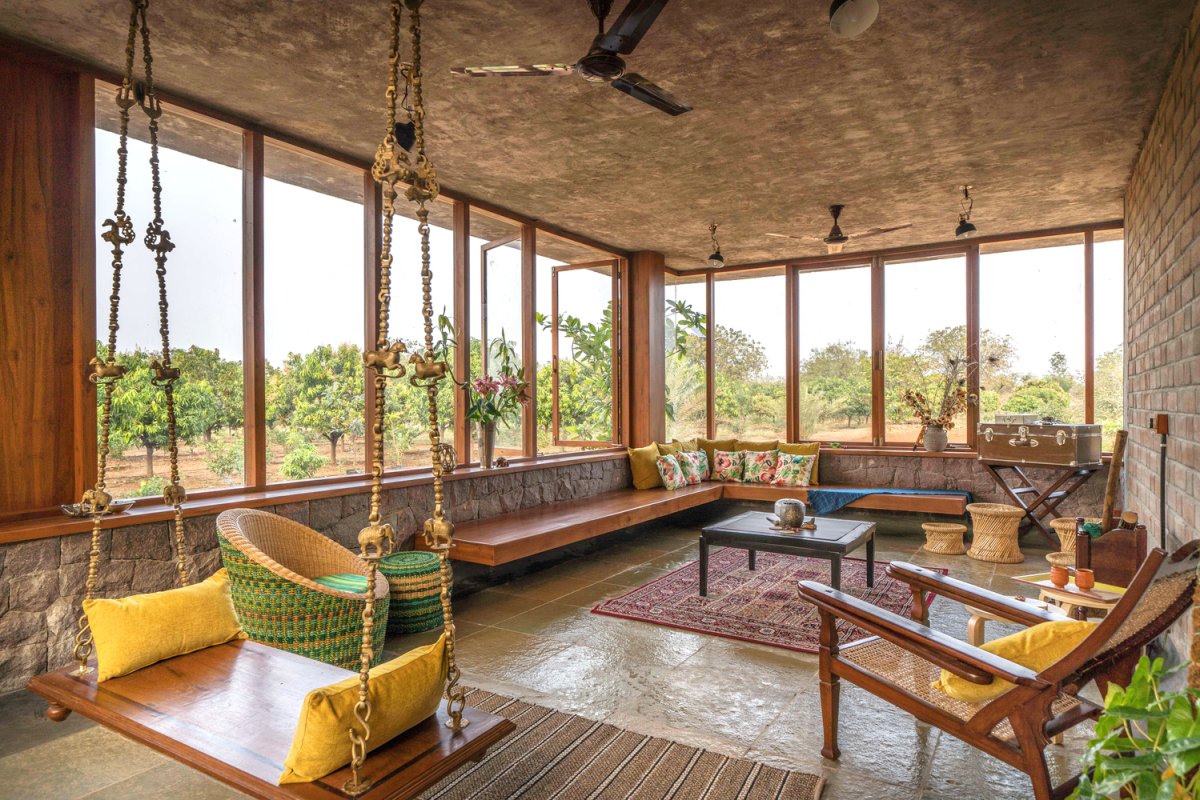
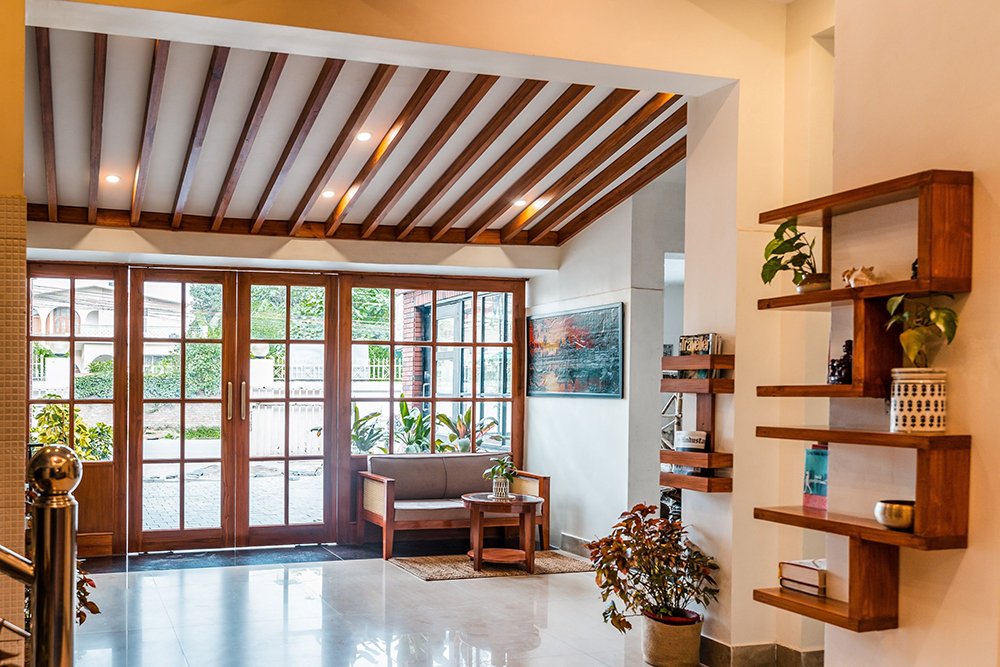
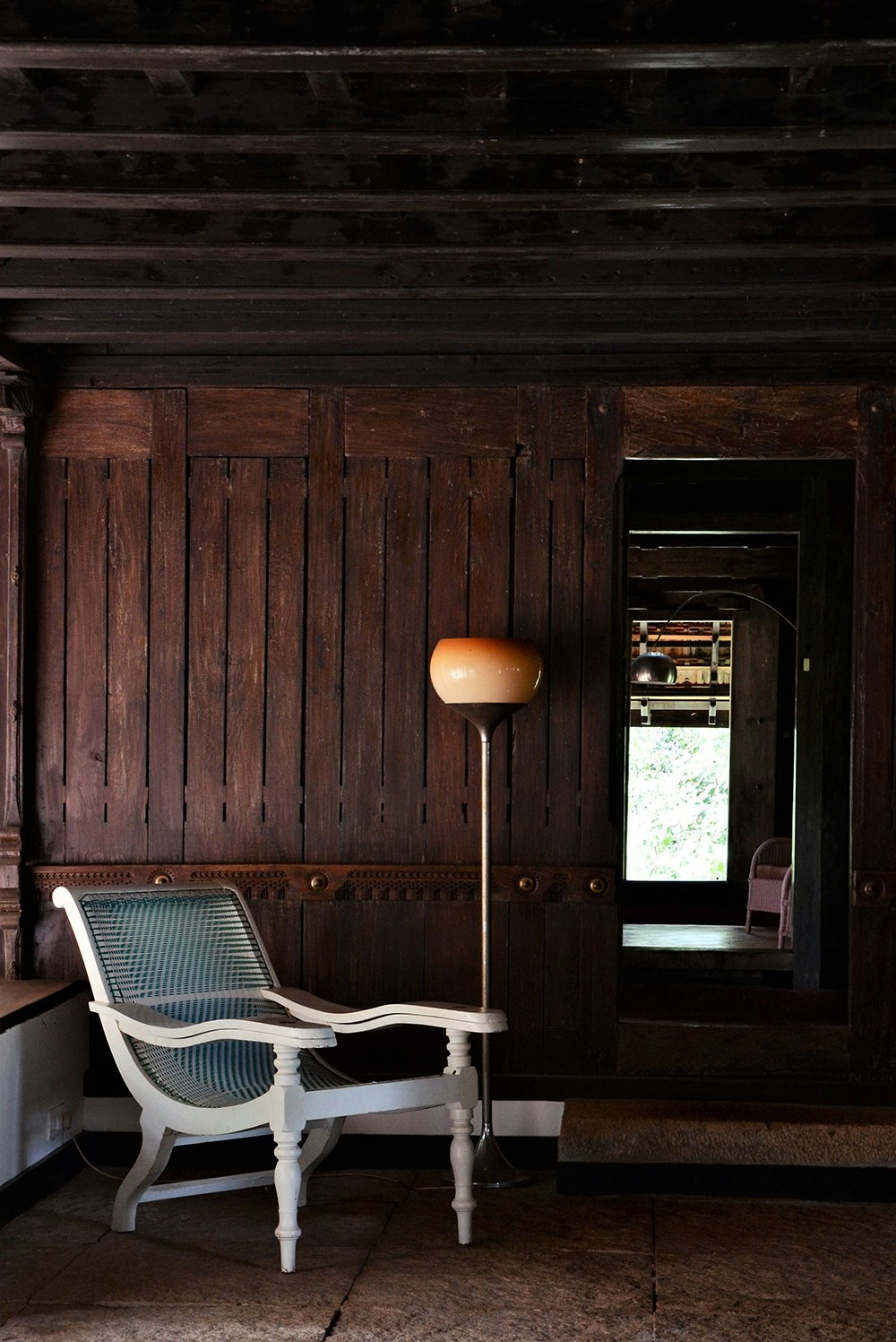
Kerala homes showcase exceptional craftsmanship through the use of natural materials such as wood, laterite stone, clay tiles, and granite. Teak, rosewood, and jackfruit wood were commonly used for doors, windows, pillars, and intricate carvings.
Handcrafted wooden ceilings, decorative columns, and ornate entrance doors add character and elegance to these homes. The attention to detail reflects Kerala's rich artistic traditions and respect for skilled craftsmanship.
Seamless Connection with Nature
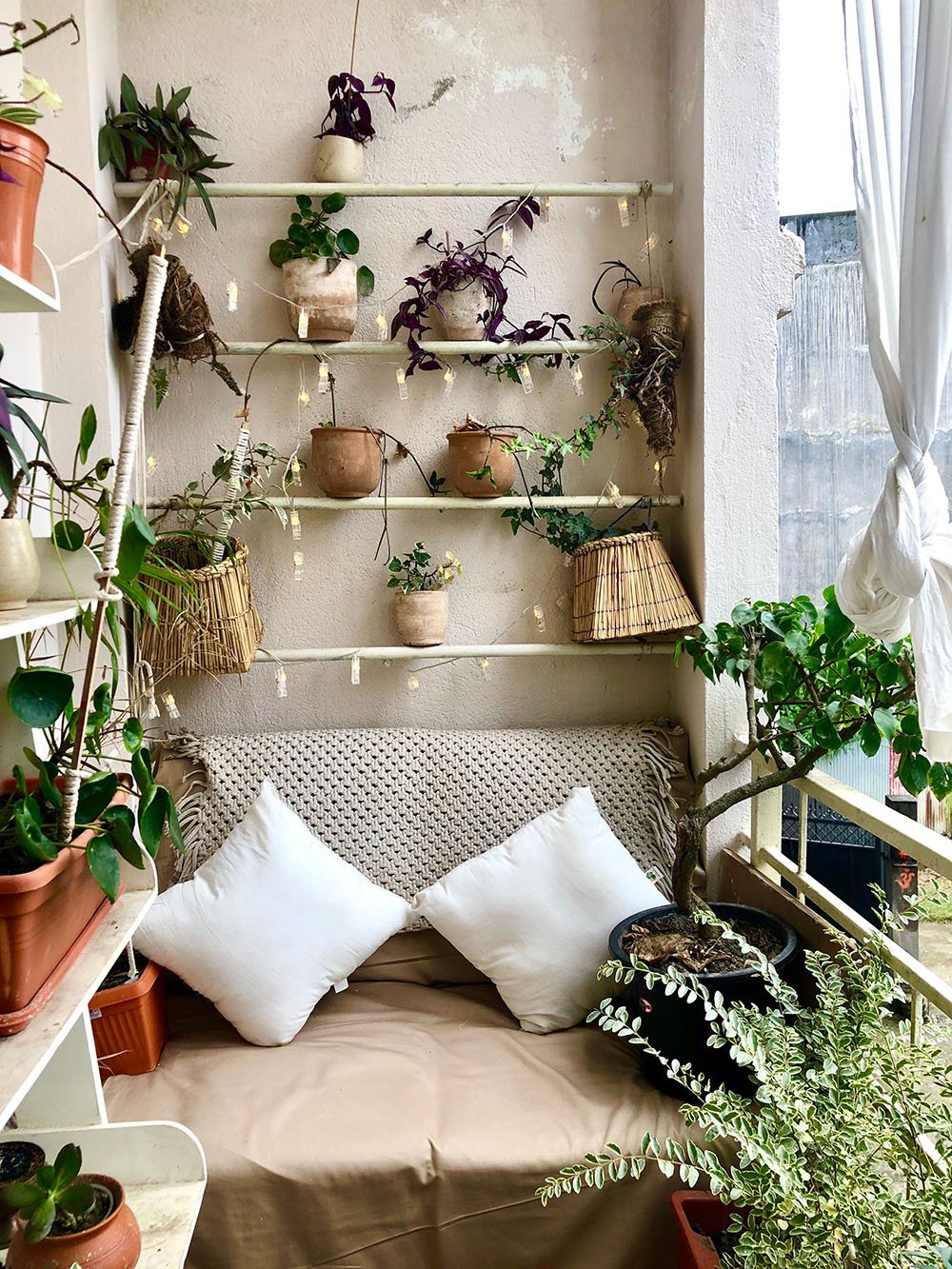
A defining aspect of Kerala homes is their strong relationship with the surrounding environment. Large windows, open courtyards, verandas, and landscaped gardens blur the boundaries between indoor and outdoor living.
Many homes incorporate water features, flowering plants, coconut trees, and shaded pathways, creating a tranquil atmosphere that promotes relaxation and well-being. This nature-centric approach remains highly relevant in modern residential design.
Climate-Responsive Design
Long before sustainability became a global trend, Kerala architecture embraced eco-friendly design principles. The layout, materials, and construction techniques were specifically chosen to maximize comfort while minimizing environmental impact.
Features such as:
- Cross ventilation
- Thick walls for insulation
- High ceilings
- Open courtyards
- Shaded verandas
help maintain pleasant indoor temperatures throughout the year, reducing dependence on artificial cooling systems.
Modern Kerala Homes: Tradition Reimagined
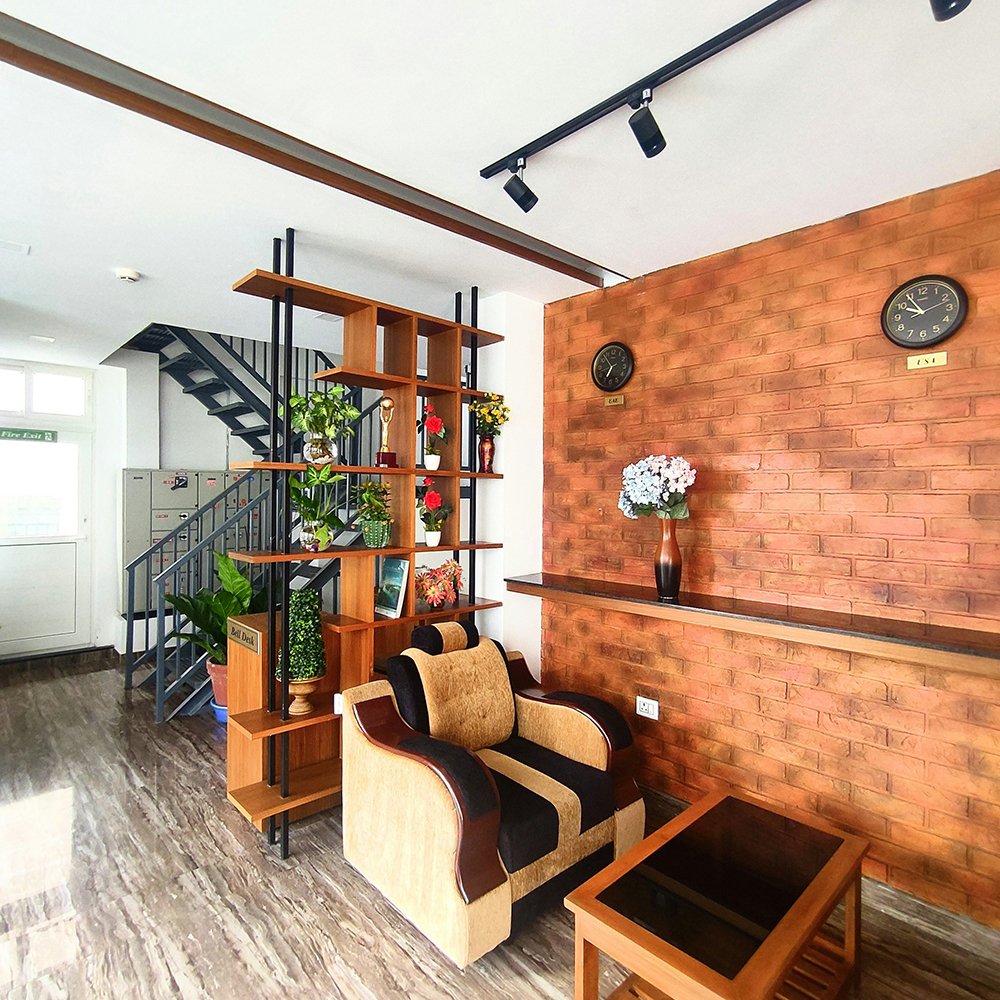
Today's homeowners increasingly seek designs that combine traditional aesthetics with contemporary convenience. Modern Kerala homes successfully blend heritage-inspired elements with modern floor plans, smart technology, and minimalist interiors.
Architects often incorporate:
- Traditional sloping roofs
- Wooden accents
- Courtyard-inspired spaces
- Large glass openings
- Sustainable materials
- Open-plan living areas
This fusion creates homes that feel both timeless and relevant for modern lifestyles.
Interior Design in Kerala Homes
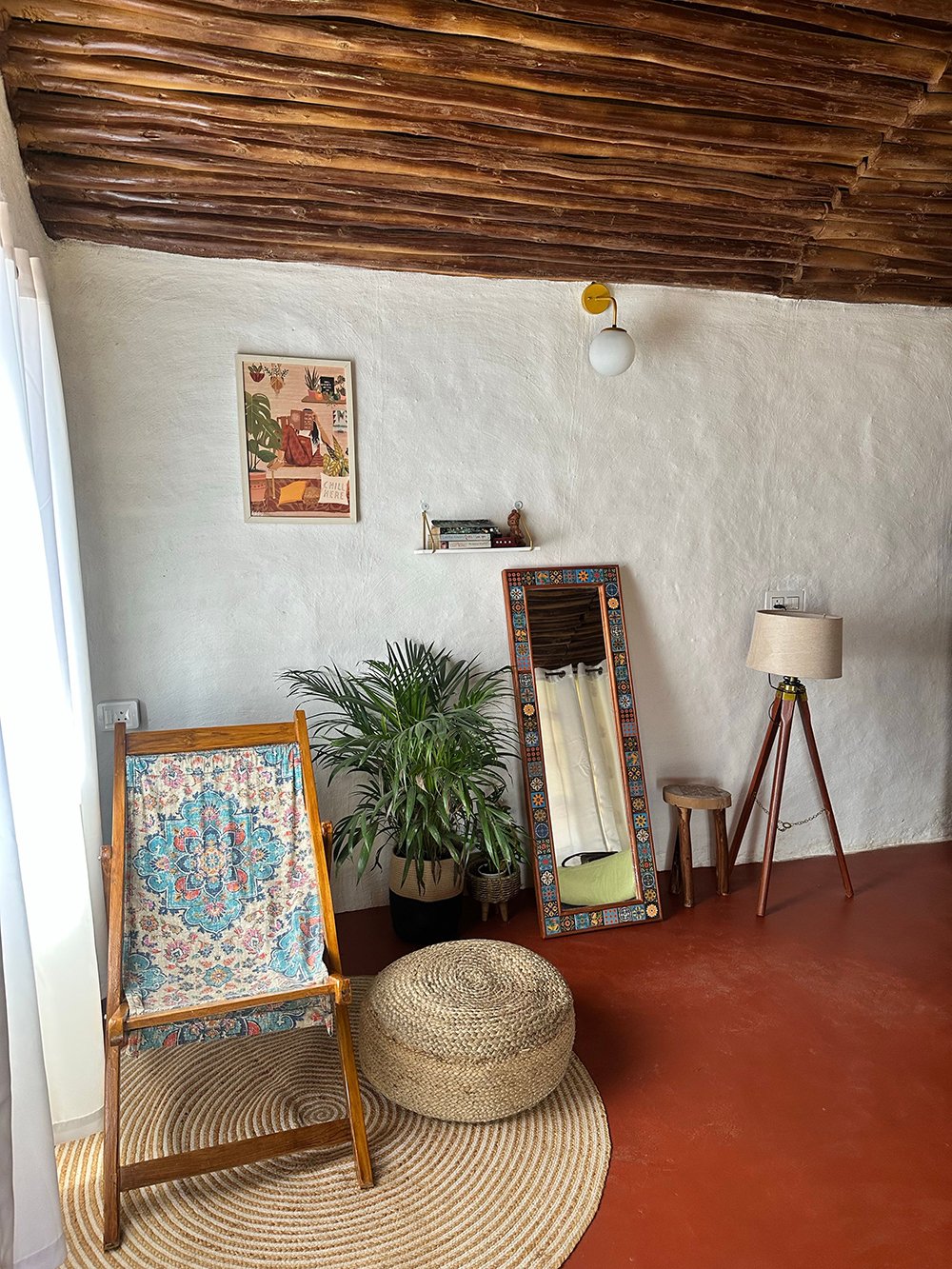
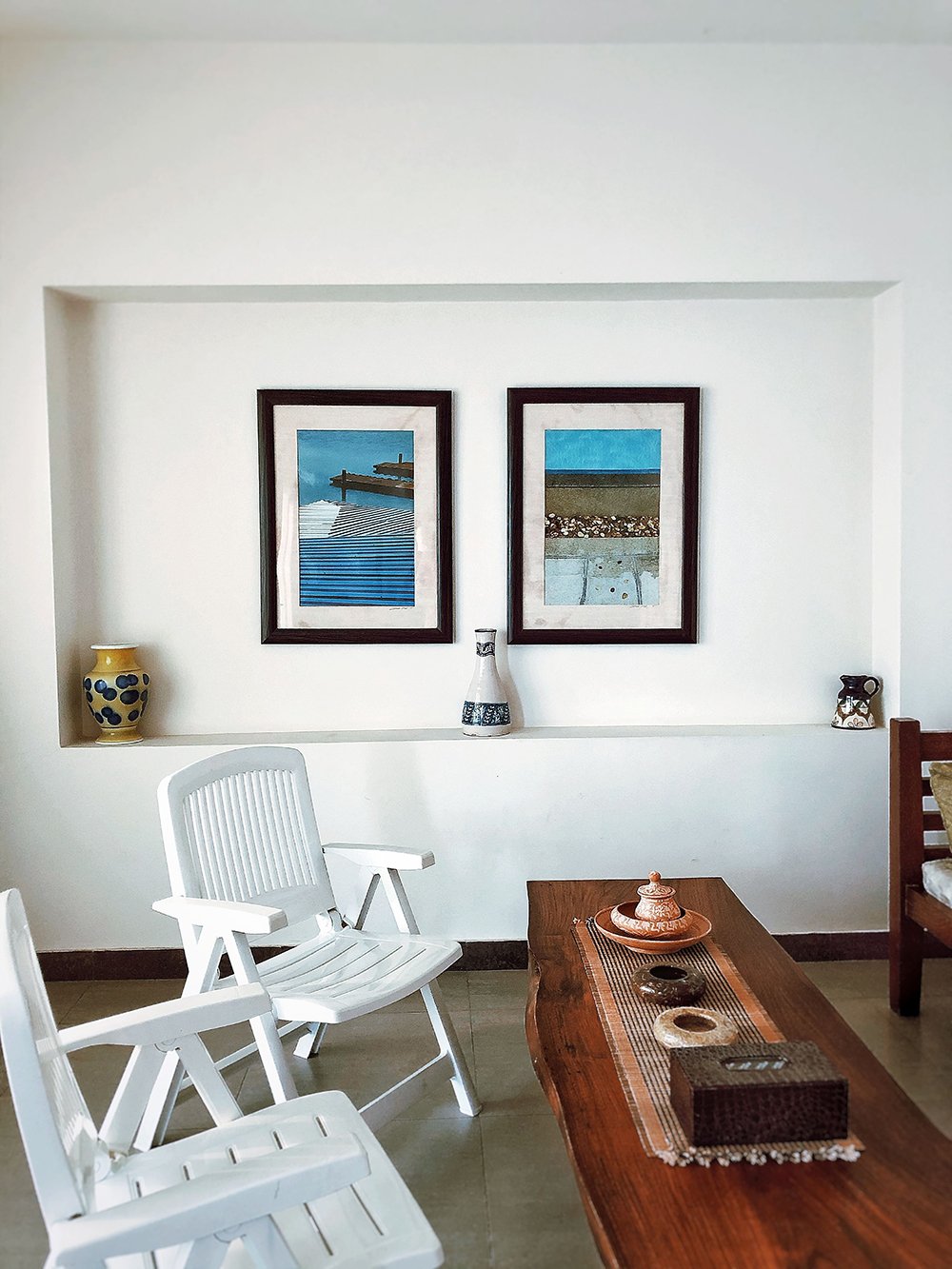
The interiors of Kerala homes emphasize warmth, simplicity, and natural beauty. Wooden furniture, handcrafted décor, earthy color palettes, and traditional artwork contribute to an inviting atmosphere.
Common interior elements include:
- Wooden ceiling beams
- Brass lamps
- Traditional murals
- Handwoven textiles
- Natural stone flooring
- Antique wooden furniture
These features help preserve the cultural identity of Kerala while enhancing the home's visual appeal.
Why Kerala Homes Continue to Inspire
The enduring popularity of Kerala architecture lies in its ability to balance beauty, practicality, and sustainability. These homes demonstrate how architecture can work in harmony with nature rather than against it.
In an era where homeowners increasingly value wellness, environmental responsibility, and authentic design, Kerala homes offer timeless lessons that remain remarkably relevant.
Conclusion
Kerala homes are more than architectural structures—they are expressions of culture, climate wisdom, and craftsmanship passed down through generations. From the iconic Nalukettu courtyard to elegant sloping roofs and nature-inspired layouts, these homes embody a design philosophy rooted in harmony and balance.
Whether you are planning a new home, renovating an existing space, or simply seeking design inspiration, Kerala architecture offers valuable insights into creating beautiful, comfortable, and sustainable living environments. Its timeless charm continues to influence modern homes across India and beyond, proving that great design truly transcends time.